


Craft Beer Brewing Basics: Essential Ingredients for Craft Beer Brewing
Brewing craft beer is a rewarding journey that combines creativity, science, and a bit of patience. Whether you are a seasoned enthusiast or just starting, understanding the essential ingredients is key to crafting a beer that delights the palate. I want to share with you the basics of what goes into making great craft beer and how each component plays a vital role in the final product.
Understanding Craft Beer Brewing Basics
At its core, beer is a simple beverage made from just a few ingredients. However, the magic lies in how these ingredients interact during the brewing process. The four main ingredients are malted grains, hops, yeast, and water. Each one contributes unique flavors, aromas, and textures that define the character of your beer.
Malted Grains: Usually barley, malted grains provide the sugars needed for fermentation. They also influence the color and body of the beer.
Hops: These flowers add bitterness to balance the sweetness of the malt. They also bring aromatic qualities ranging from floral to citrusy.
Yeast: Yeast consumes the sugars and produces alcohol and carbon dioxide. Different yeast strains can create distinct flavor profiles.
Water: The quality and mineral content of water affect the brewing process and the taste of the beer.
When you combine these ingredients thoughtfully, you can create a wide variety of beer styles, from light lagers to rich stouts.
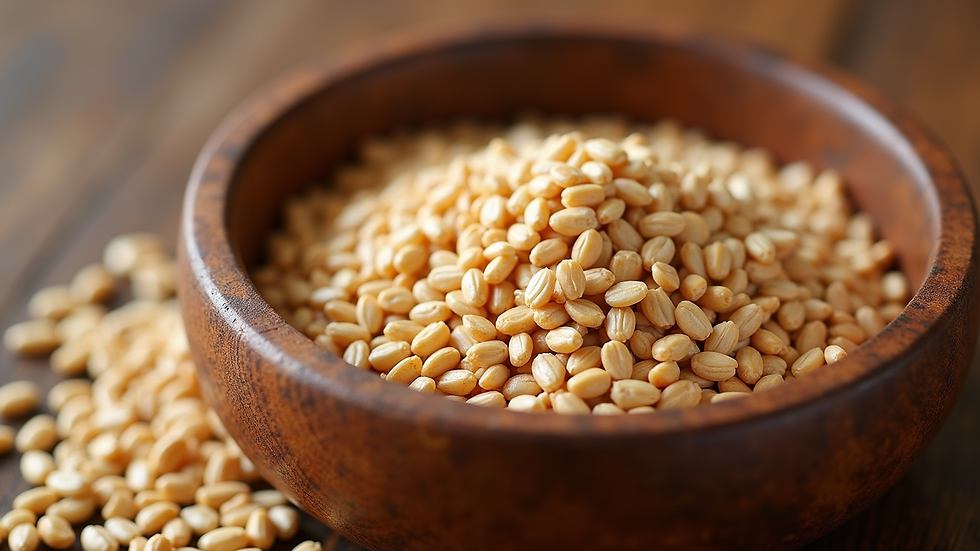
The Role of Malted Grains in Brewing
Malted grains are the backbone of any beer. They provide the fermentable sugars that yeast will later convert into alcohol. Barley is the most common grain used, but wheat, rye, and oats can also be part of the mix to add different textures and flavors.
The malting process involves soaking the grains in water to start germination, then drying them to stop it. This process develops enzymes that break down starches into sugars during brewing. The type of malt you choose affects the beer’s color and taste:
Pale malt: Light in color, it forms the base for most beers.
Crystal malt: Adds sweetness and caramel notes.
Roasted malt: Gives dark beers their rich, coffee-like flavors.
Experimenting with different malt combinations can help you create a beer that’s uniquely yours.
Can you get rid of diacetyl in beer?
Diacetyl is a compound that can give beer an unwanted buttery or butterscotch flavor. While a small amount can add complexity, too much is usually considered a flaw. Fortunately, you can reduce or eliminate diacetyl during brewing.
The key is to allow the yeast enough time to clean up diacetyl after fermentation. This is called the "diacetyl rest." Here’s how you can manage it:
Ferment at the right temperature: Yeast activity varies with temperature, so keep it within the recommended range for your yeast strain.
Extend fermentation time: Give the yeast extra time after the main fermentation to consume diacetyl.
Raise the temperature slightly: Towards the end of fermentation, increasing the temperature by a few degrees can encourage yeast to clean up diacetyl.
Use healthy yeast: Fresh, active yeast is more efficient at reducing off-flavors.
By paying attention to these steps, you can ensure your beer tastes clean and crisp without that buttery note.

The Importance of Hops in Flavor and Aroma
Hops are more than just a bittering agent. They bring a wide range of flavors and aromas that can transform a beer. Depending on the hop variety and when you add them during brewing, you can get notes of pine, citrus, floral, spicy, or earthy qualities.
There are three main ways to use hops in brewing:
Bittering hops: Added early in the boil to extract bitterness.
Flavor hops: Added mid-boil to contribute flavor.
Aroma hops: Added late or during fermentation (dry hopping) to enhance aroma.
Balancing hops with malt sweetness is an art. Too much bitterness can overpower the beer, while too little can make it taste flat. I encourage you to try different hop varieties and timings to find your perfect balance.
Yeast: The Living Ingredient
Yeast is a living microorganism that ferments the sugars from malt into alcohol and carbon dioxide. But yeast does more than just ferment; it also produces a variety of flavor compounds that shape the beer’s character.
There are two main types of yeast used in brewing:
Ale yeast (top-fermenting): Works at warmer temperatures and produces fruity and complex flavors.
Lager yeast (bottom-fermenting): Ferments at cooler temperatures and results in cleaner, crisper beers.
Choosing the right yeast strain is crucial. For example, if you want a fruity IPA, an ale yeast with citrusy esters is a good choice. For a smooth pilsner, a lager yeast is better suited.
Water Quality and Its Impact on Brewing
Water makes up most of the beer, so its quality is essential. The mineral content and pH of water can affect enzyme activity during mashing and the overall flavor of the beer.
Some regions have water naturally suited for certain beer styles. For example, the soft water of Pilsen is ideal for light lagers, while the hard water of Burton-on-Trent is famous for pale ales.
If you want to experiment, you can adjust your water by adding minerals like calcium sulfate or magnesium chloride to mimic the water profile of your favorite beer region.
Bringing It All Together
Now that you know the essential ingredients, you can start experimenting with your own recipes. Remember, brewing is both a science and an art. Keep notes on your process and results, so you can refine your technique over time.
If you want to dive deeper into the world of craft beer brewing ingredients, there are many resources and communities ready to support you.
Brewing your own beer is a wonderful way to connect with the craft and enjoy a truly personal beverage. I hope this guide inspires you to take the first step or continue your brewing adventure with confidence and joy.
Happy brewing!


Comments